您的瀏覽器不支援JavaScript功能, 若網頁功能無法正常使用時,請開啟瀏覽器JavaScript狀態 (Your browser does not support Javascript. For full functionality of this site, please enable JavaScript in your browser.)
課程
課程分類
英語
日語
韓語
歐語
中學生素養
教師增能
線上課程
精緻小班
外語講座
英文版資訊
課程介紹
測驗
測驗總覽
英語測驗
培力英語能力檢定測驗 BESTEP
大學校院英語能力測驗 CSEPT®
測驗簡介
報名須知
網路報名
應試須知
測驗內容
成績相關
資料下載
學習資源
常見問題
說明會
外語能力測驗 FLPT®
全民英檢 GEPT®
小學英檢 GEPT Kids®
Young Learners (YLE) 劍橋兒童英語認證
最新消息
測驗簡介
測驗日期
報名方式
應試須知
成績相關
延期/退費
資料下載
學習資源
A2 Key/B1 Preliminary/B2 First (KET/PET/FCE) for Schools 劍橋國際英語認證
最新消息
測驗簡介
測驗日期
報名方式
應試須知
成績相關
延期/退費
資料下載
學習資源
TOEFL iBT®
最新消息
測驗簡介
測驗內容
測驗日期
考場資訊
報名須知
改期/取消
應試須知
成績相關
常見問題
友善連結
外語測驗
外語能力測驗 FLPT®
日本語能力試驗 JLPT®
日本留學試驗 EJU
TestDaF
測驗簡介
測驗日期
報名須知
報名方式
應試須知
測驗內容
成績相關
友善連結
韓國語文能力測驗 TOPIK
其他測驗
全国通訳案内士試験
測驗簡介
測驗日期
GRE®
最新消息
測驗簡介
測驗內容
測驗日期
考場資訊
報名須知
改期/取消
應試須知
成績相關
常見問題
友善連結
資源
研究報告及論文
教學資源
測驗資源
英語學習好站
第二外語學習好站
語言教學/測驗相關期刊與會議
日本語GoGoGo資源補給站
名人名言
出版
學術出版
LTTC e購網
GEPT 電子報
雙語教育
獎助活動
EN
課程
課程分類
英語
日語
韓語
歐語
中學生素養
教師增能
線上課程
精緻小班
外語講座
英文版資訊
課程介紹
測驗
資源
研究報告及論文
專書論文
全民英檢專題研究報告
國內外機構合作論文
期刊論文
會議論文
其他測驗研究報告及論文
全民英檢預試階段研究報告
教學資源
GEPT i學網
英語閱讀素養線上課程
外語學習小撇步
評量設計徵選歷年作品
測驗資源
全民英檢參考字表
LTTC英語學習者語料庫
語言測驗常用名詞
全民英檢成績統計報告
外語能力測驗成績統計報告
外語能力測驗-基礎級成績統計報告(原SFLPT)
大學校院英語能力測驗成績統計報告
英語學習好站
英語聽力與口說
英語學習單
新聞英語
英語寫作
學術英語
商業英語
第二外語學習好站
綜合
日語
法語
德語
西語
語言教學/測驗相關期刊與會議
學術期刊 - Bilingual Education
學術期刊 - Language Testing/Assessment
學術期刊 - Educational Measurement
學術期刊 - Linguistics/Applied Linguistics
學術期刊 - Education
學術期刊 - Language Teaching/Learning
學術期刊 - Educational Psychology
學術期刊 - Journals of Education in Taiwan
學術研討會
日本語GoGoGo資源補給站
名人名言
出版
學術出版
LTTC e購網
GEPT 電子報
雙語教育
獎助活動
關於我們
最新消息
活動報導
EN
EN
Frag nicht, was das Leben dir gibt. Frag, was du gibst.
別問生命給你什麼,問自己付出什麼!
-Alfred Adler
阿爾弗雷德.阿德勒,奧地利心理學家
News
最新消息
more
2024.05.16
演講
英語研習講座特邀國際學者Kunnan主講,歡迎報名參加
2024.05.08
活動預告
2024 6月份 LTTC 活動預告
2024.04.30
GEPT
8月17日中級聽讀及一日考5月13日起受理報名
2024.05.17
FLPT
FLPT 外語能力測驗-基礎級
2024.04.02
GEPT
【全民英檢】超限量名額!LTTC外語課程免費體驗活動立刻報名
2024.05.01
FLPT
FLPT 長庚科大專案測驗
2024.05.10
FLPT
5月19日FLPT 外語能力測驗
2024.05.10
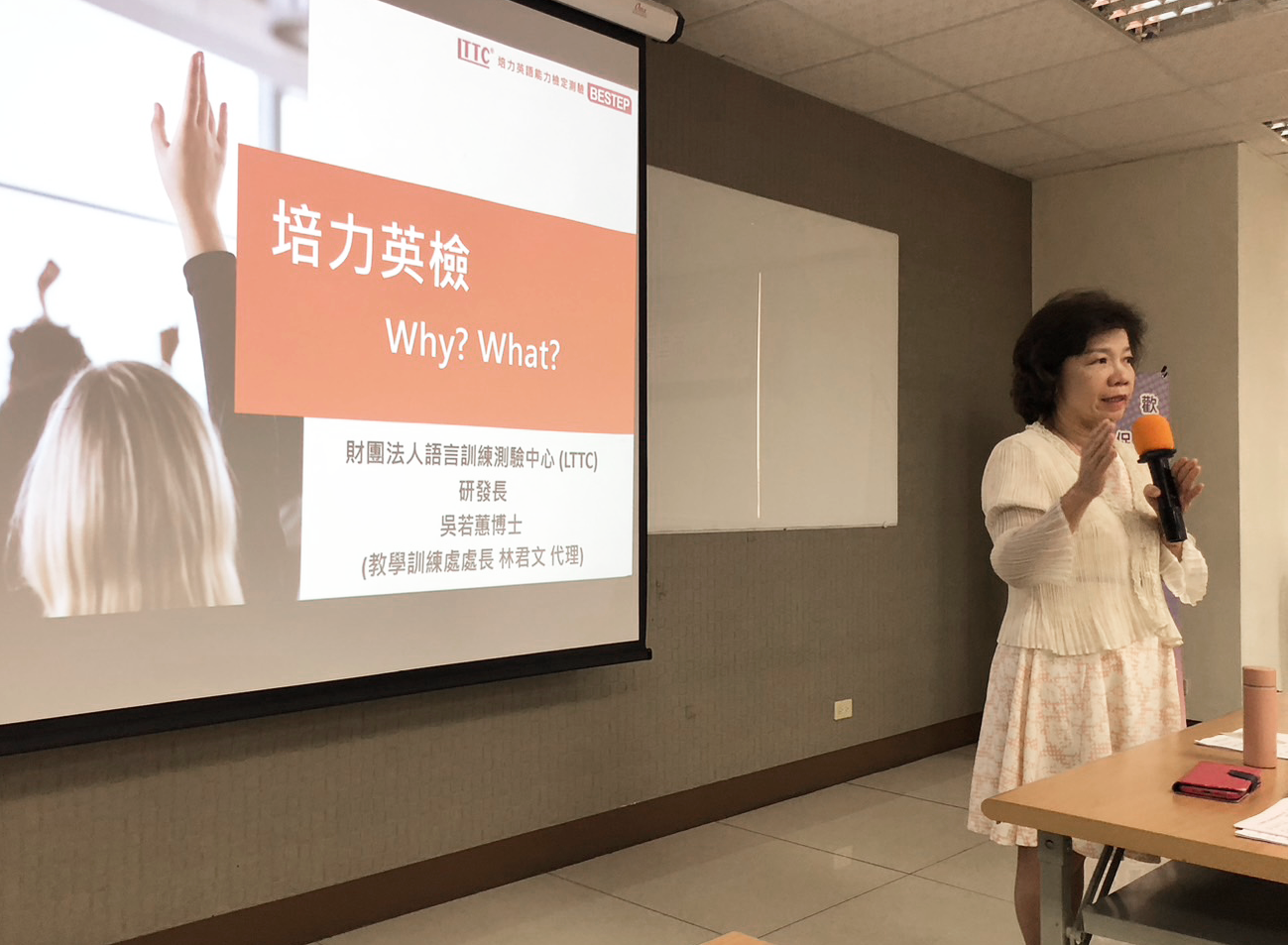
BESTEP
培力英檢(聽讀測驗)
2024.04.26
課程
「日語N5-N1系列課程」開課
2024.04.02
活動預告
2024 五月份 LTTC 活動預告
2024.04.01
GEPT
7月13日高級聽讀4月24日起受理報名
2024.02.26
公告
「日本語GoGoGo資源補給站」正式上線!
2023.11.22
FLPT
2024年 外語能力測驗 最新測驗日程
2023.09.22
GEPT
2024年最新測驗日程
more
Activities
近期活動
more
2024.04.19
雙語教育服務
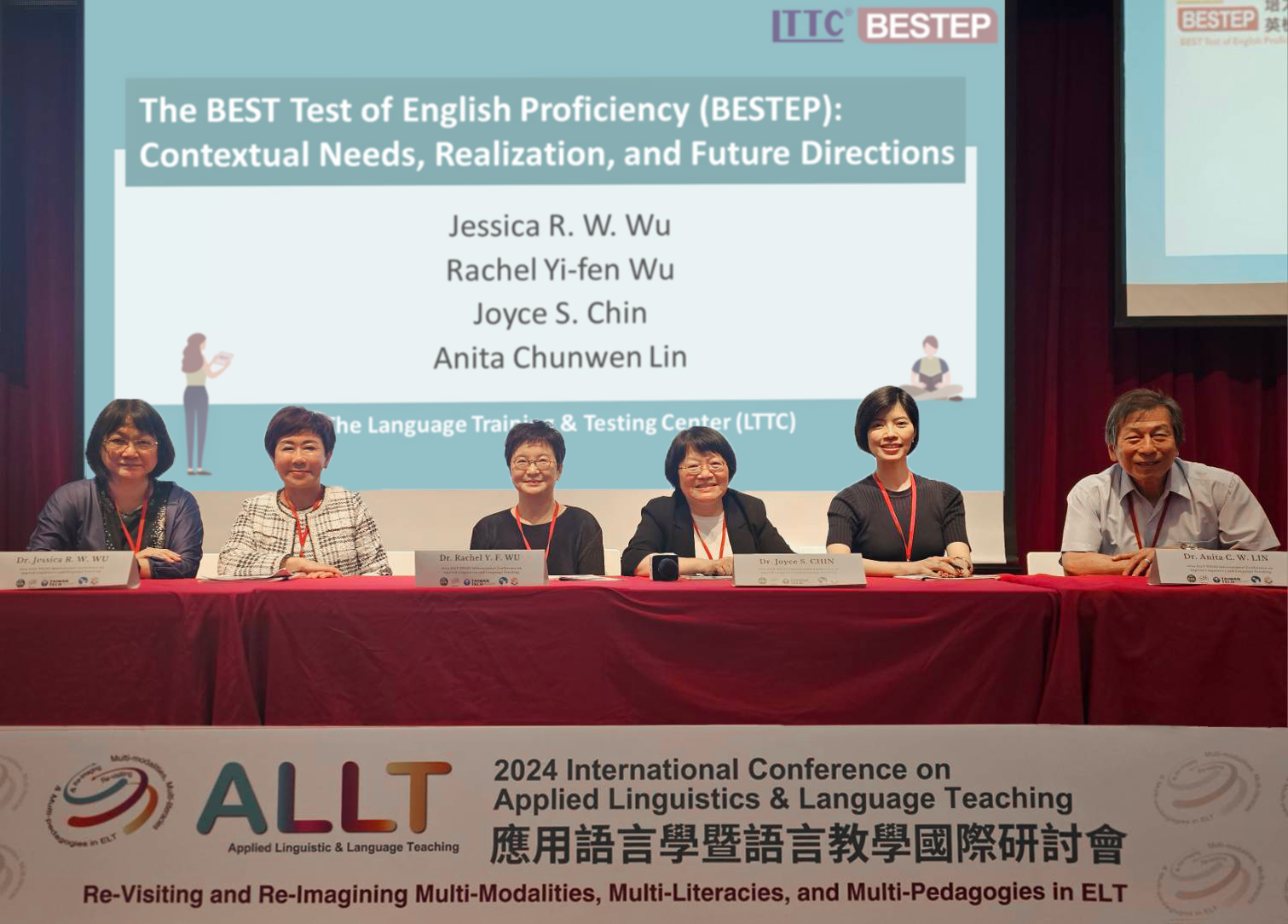
LTTC 協辦 ALLT 應用語言學暨語言教學國際研討會
2024.03.25
雙語教育服務
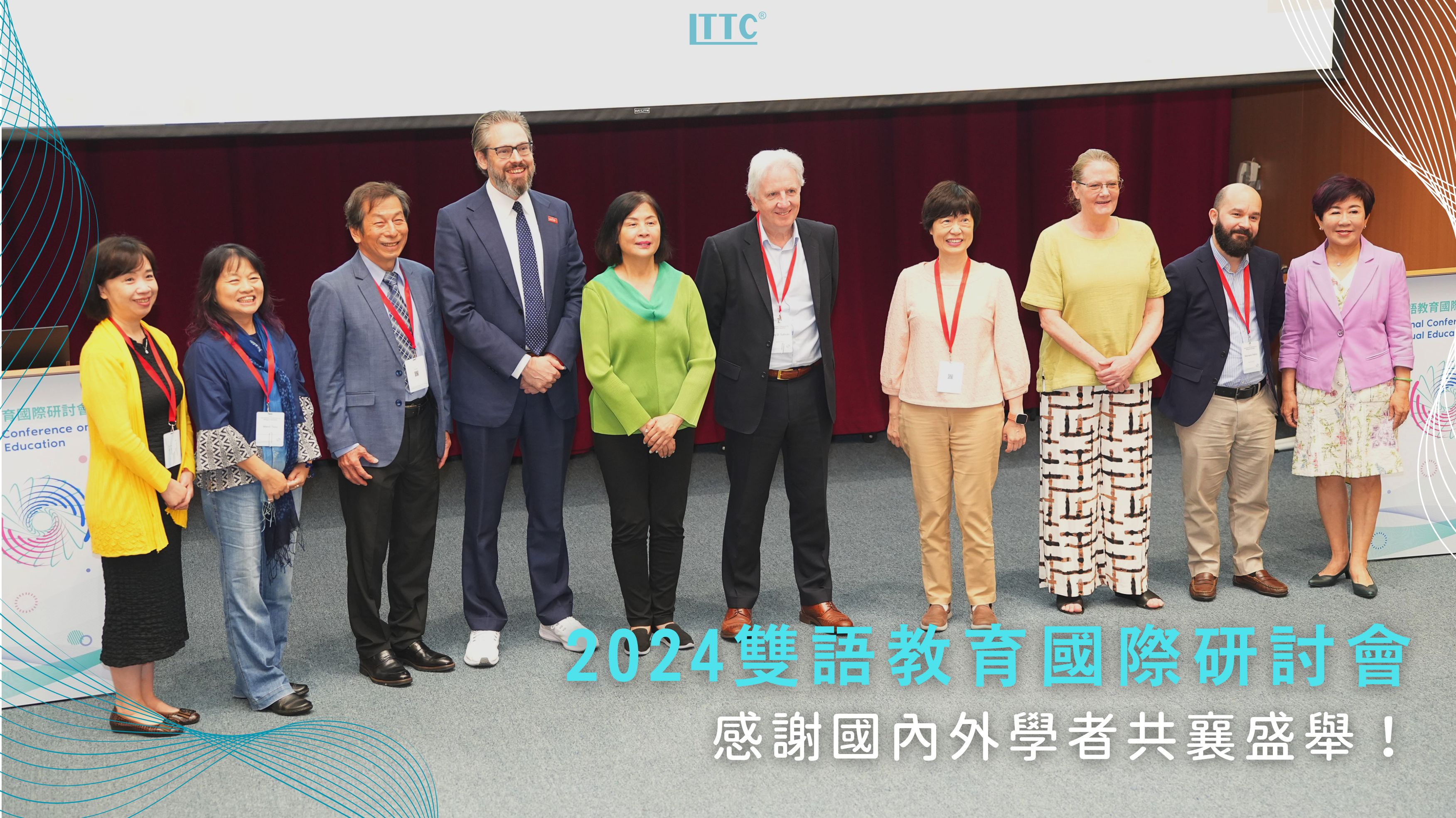
「雙語教育國際研討會」圓滿落幕!
2024.03.18
測驗交流
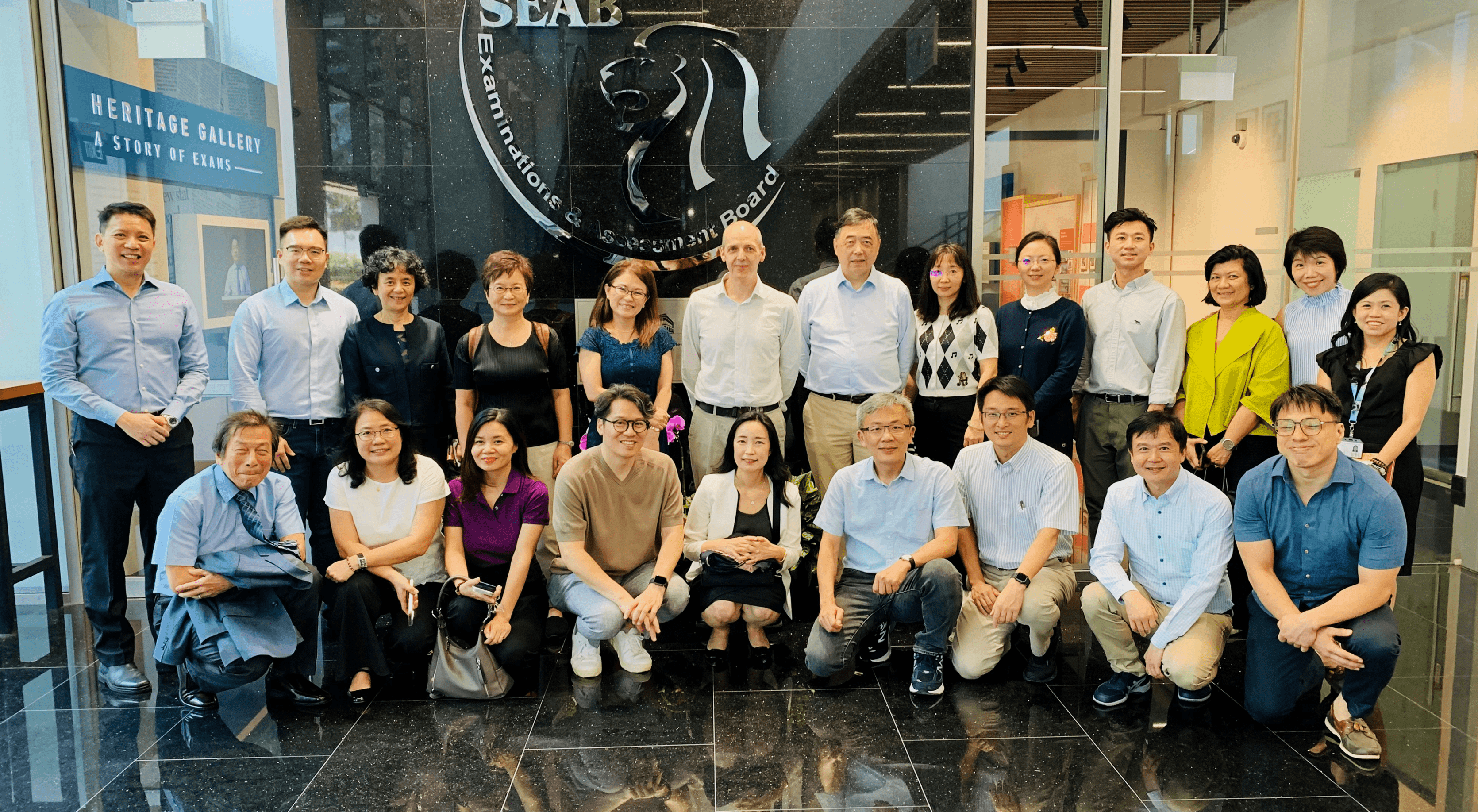
LTTC赴新加坡參與AFELTA研討會,與亞洲測評學者經驗分享
2024.03.12
雙語教育服務
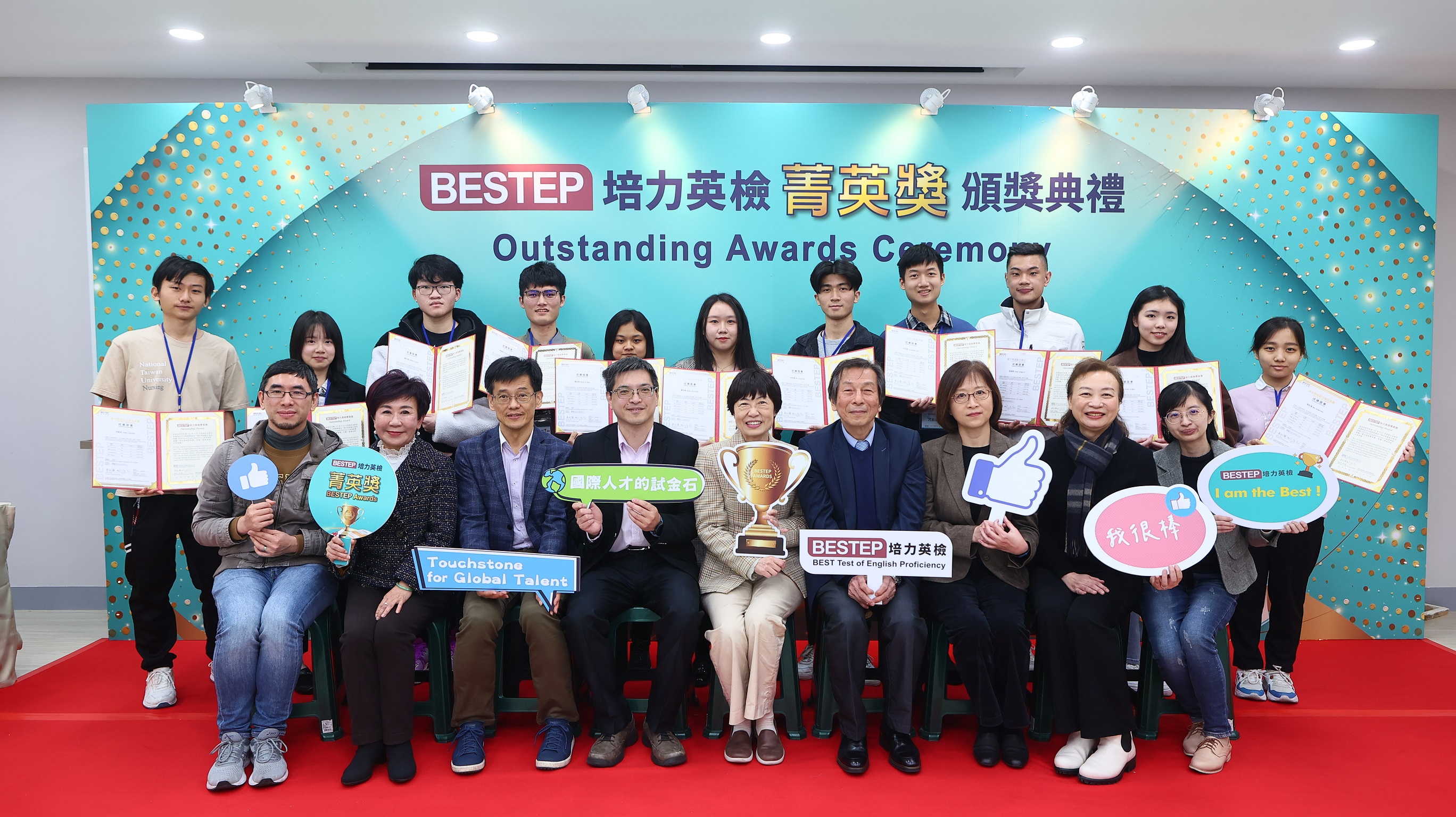
「培力英檢」首屆菁英獎頒獎典禮圓滿落幕
2024.01.02
外語教學與學習
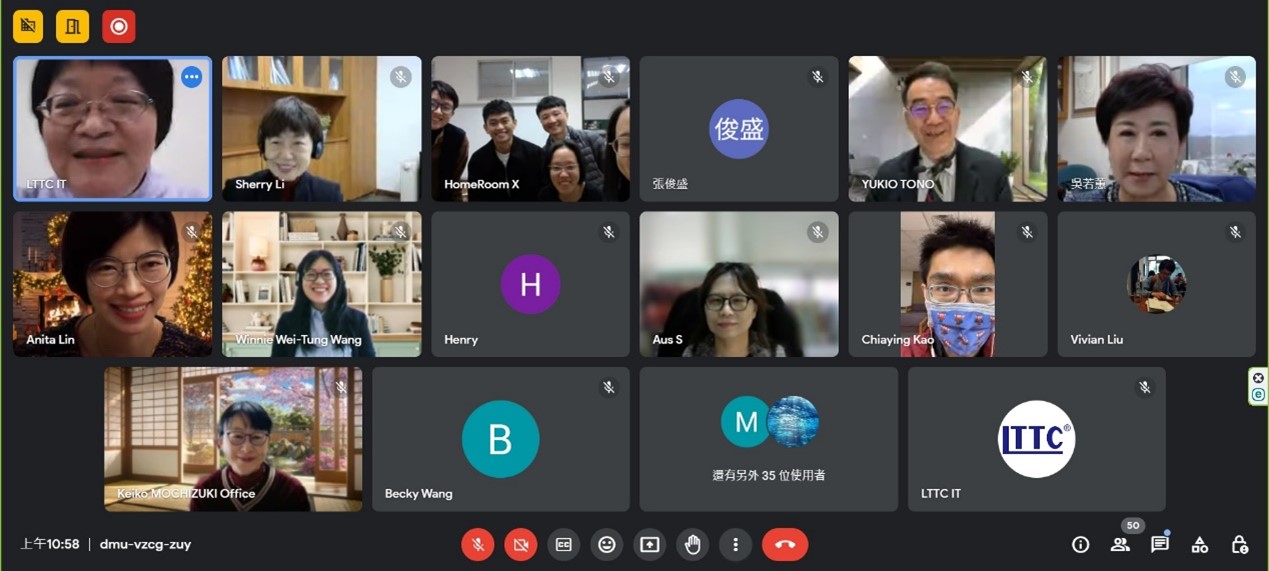
東京外國語大學投野由紀夫教授視訊演講
2023.12.28
測驗交流
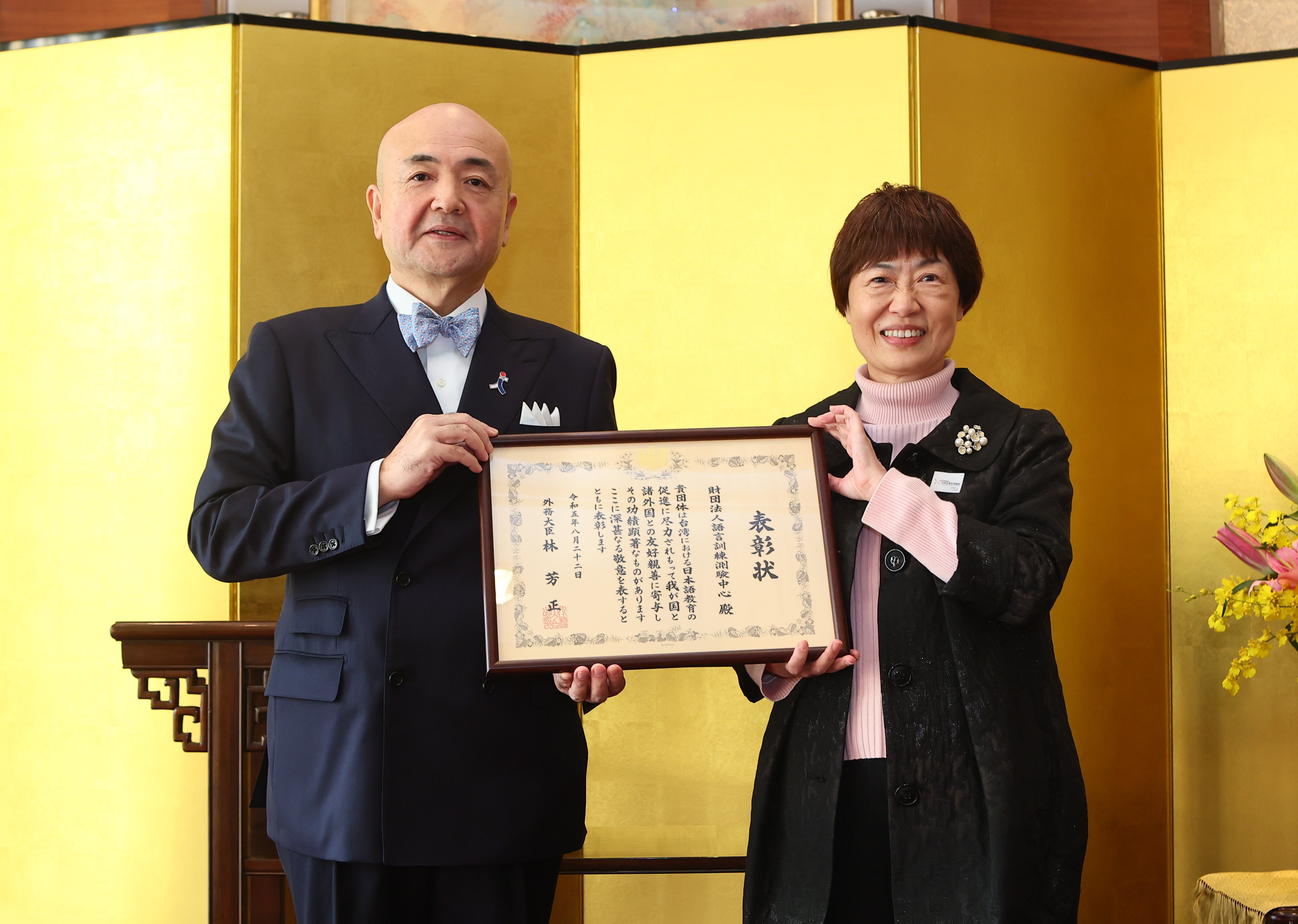
LTTC榮獲日本「外務大臣表彰」
2023.10.30
測驗交流
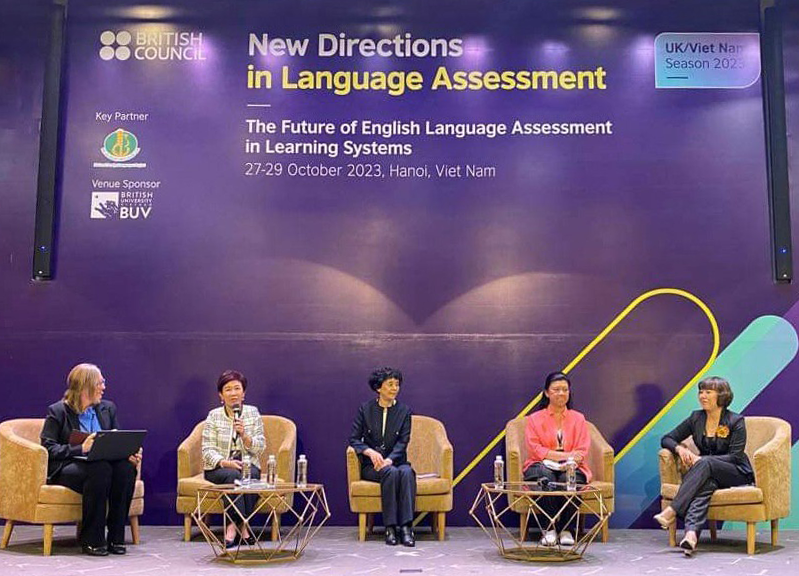
LTTC研發長吳若蕙博士獲邀於英國文化協會New Directions研討會分享臺灣經驗
2023.10.20
雙語教育服務
LTTC應教育部之邀向企業推廣「培力英檢」
2023.09.06
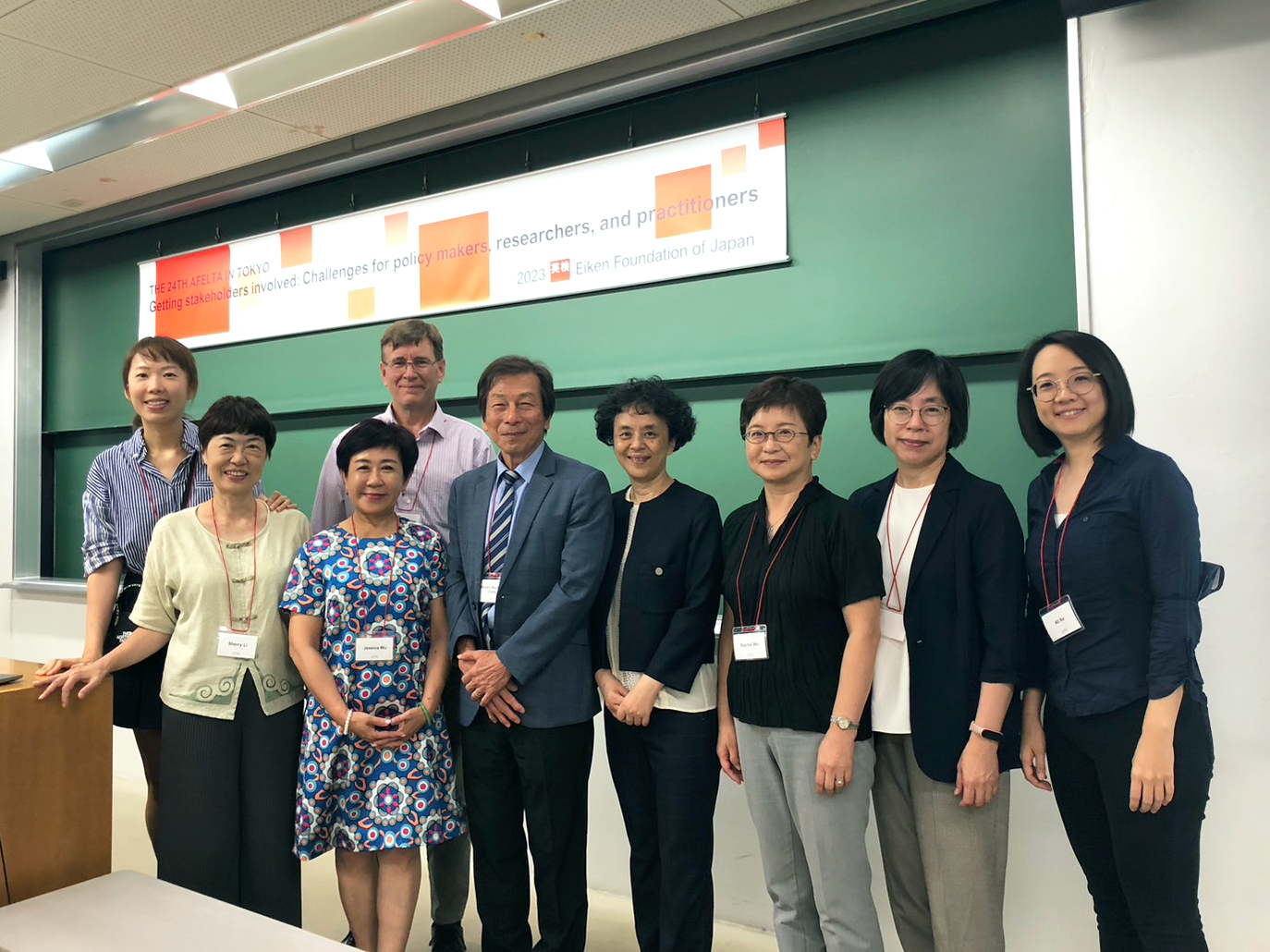
測驗交流
LTTC赴日參與AFELTA研討會,與亞洲測評學者經驗分享
2023.09.04
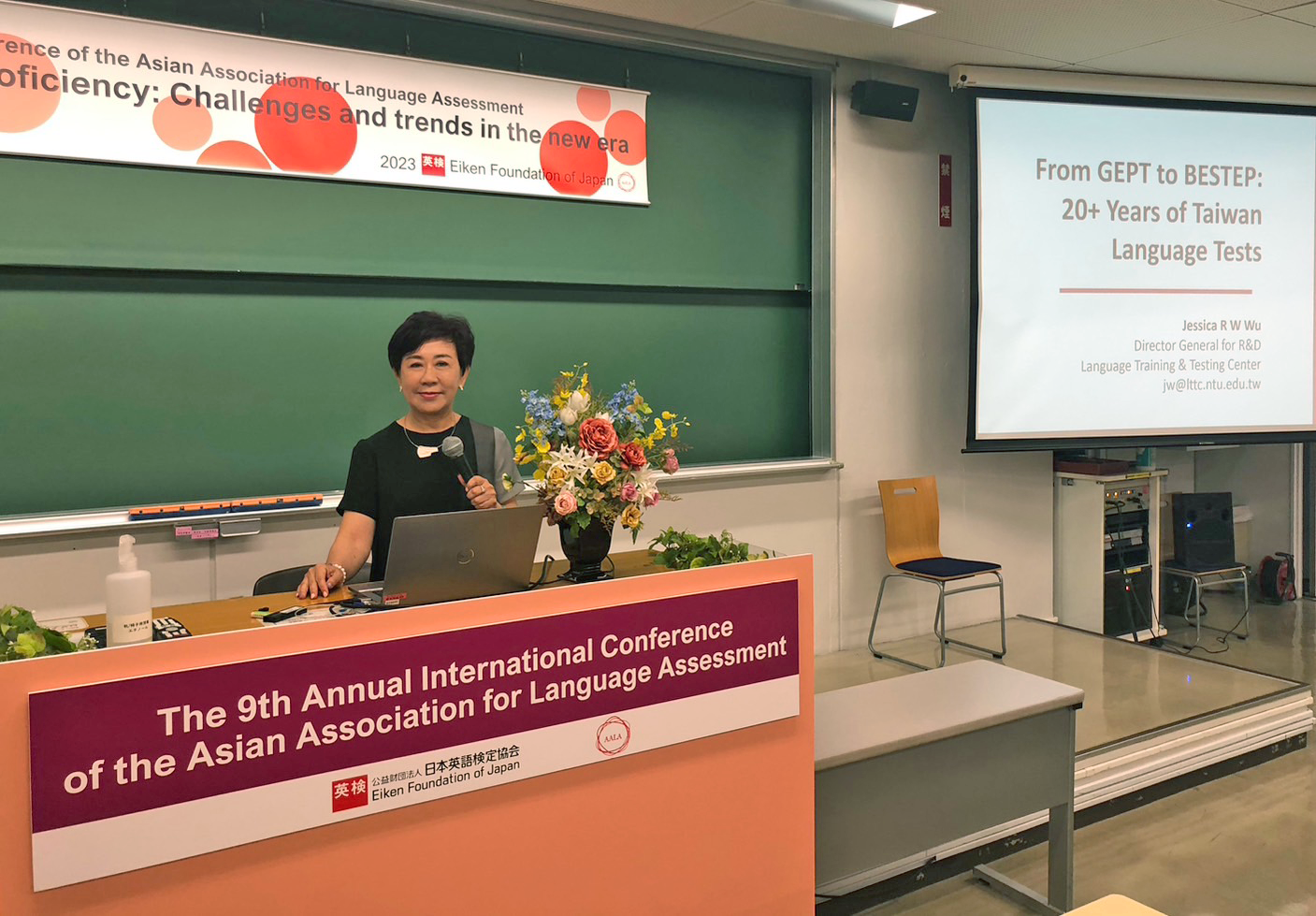
測驗交流
LTTC研發長吳若蕙博士擔任AALA特邀講者
2023.08.22
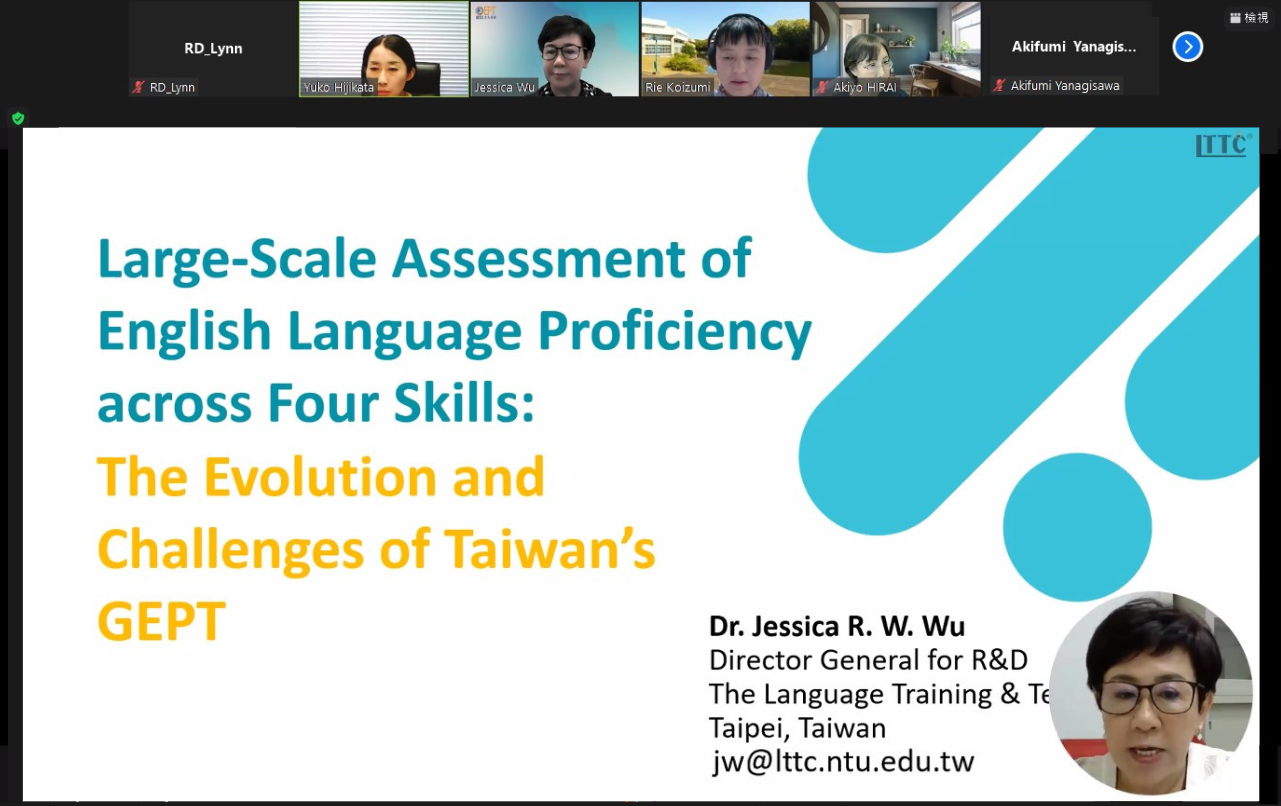
測驗交流
LTTC研發長吳若蕙博士受筑波大學邀請視訊演講
2023.08.22
雙語教育服務
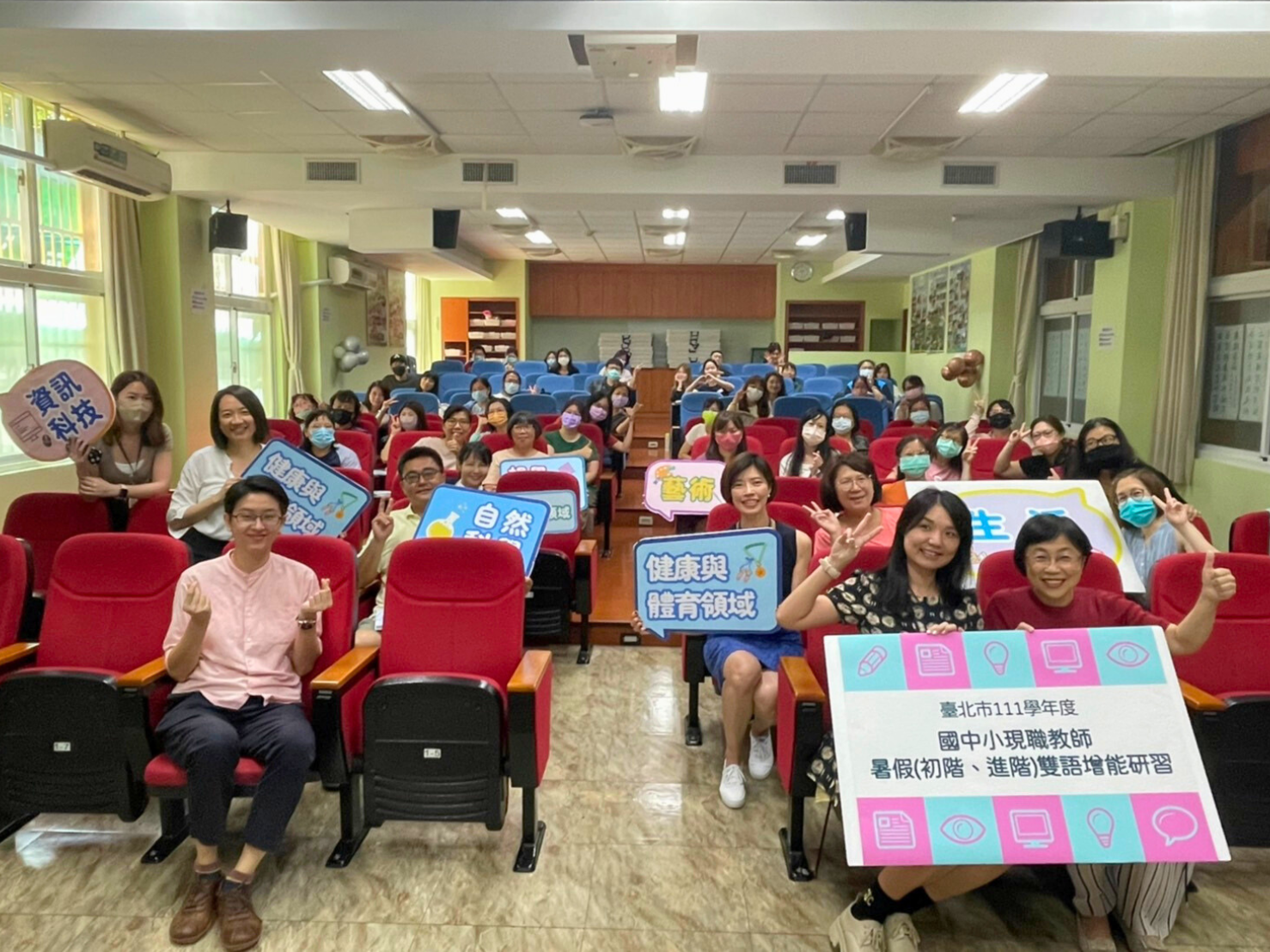
LTTC獲臺北市教育局委託舉辦【國中小現職教師暑假雙語增能研習】,2023年首度分初階、進階兩梯次辦理
2023.07.26
雙語教育服務
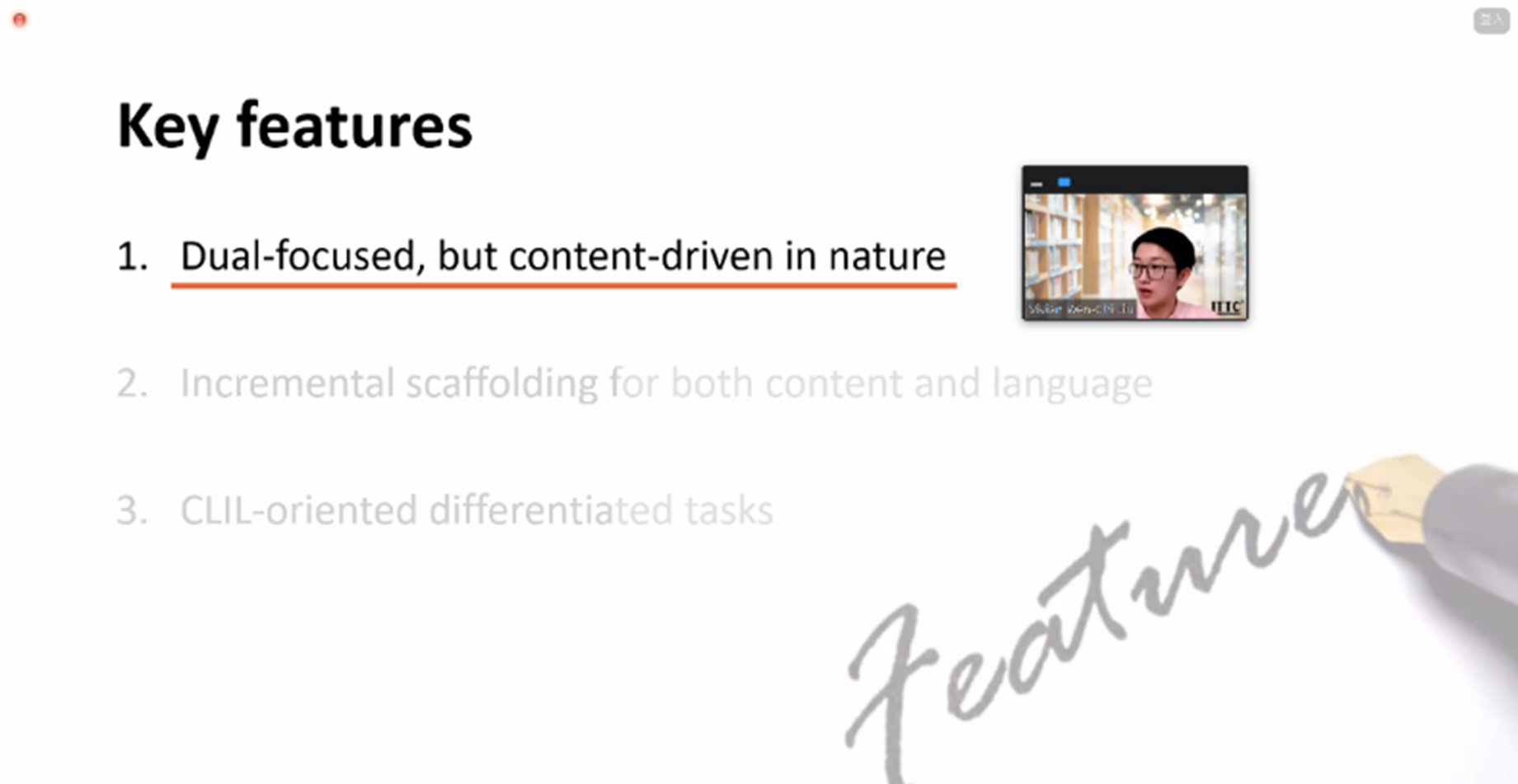
LTTC獲國際英語教師協會分享雙語評量研發經驗
2023.07.17
外語教學與學習
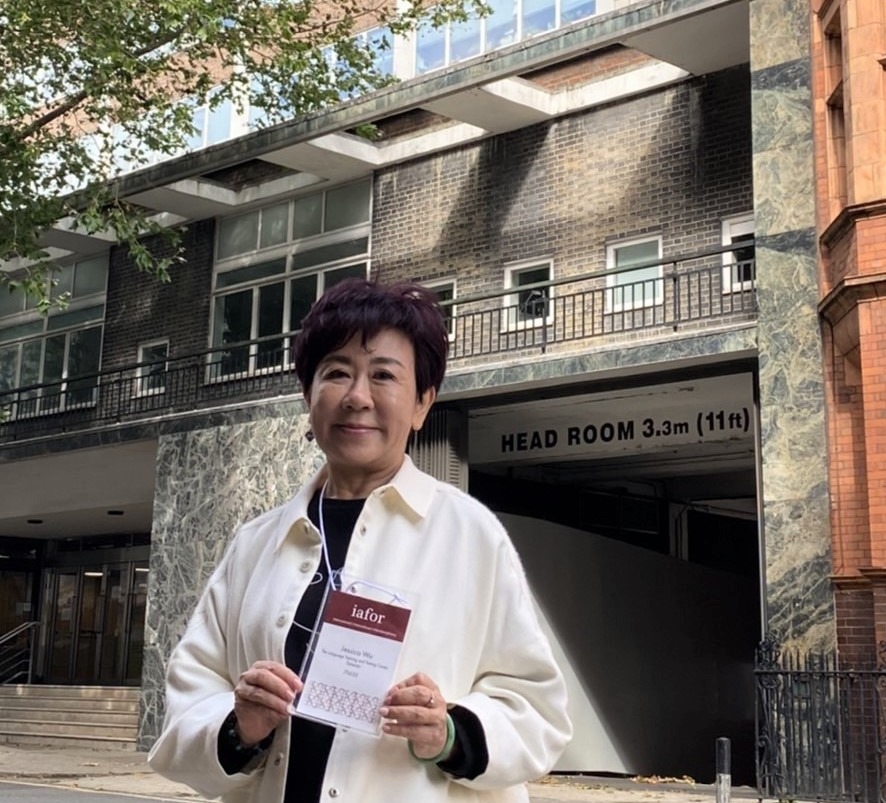
吳若蕙研發長赴英參與ECLL
2023.06.12
測驗交流
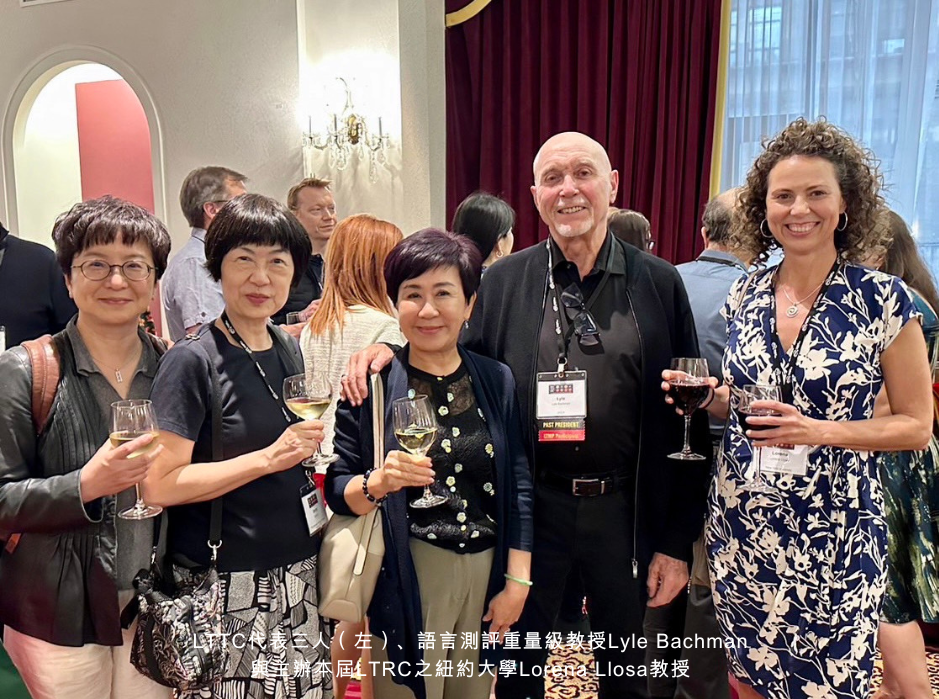
LTTC研究團隊參加LTRC研討會,與全球語言測評專家齊聚紐約
2023.04.17
雙語教育服務
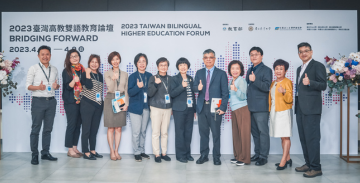
LTTC培力英檢研發團隊受邀出席「臺灣高教雙語教育論壇」
2022.12.13
外語教學與學習
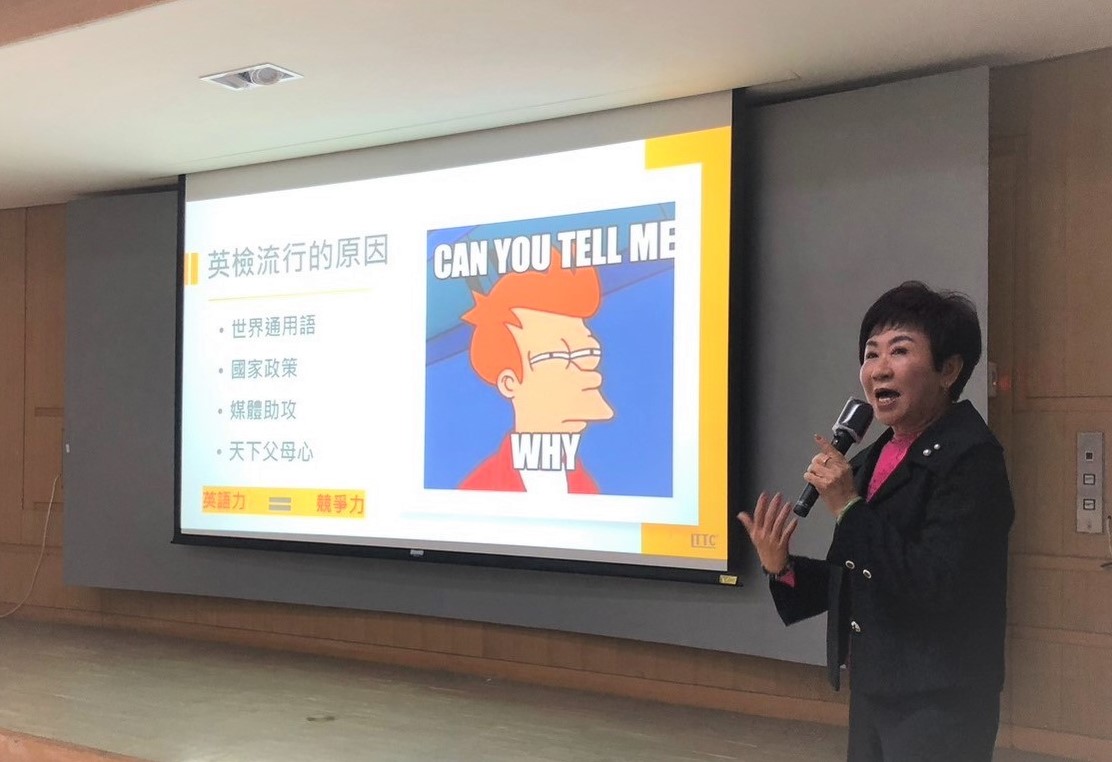
LTTC研發長吳若蕙博士於國家圖書館發表專題演講
2022.11.29
測驗交流
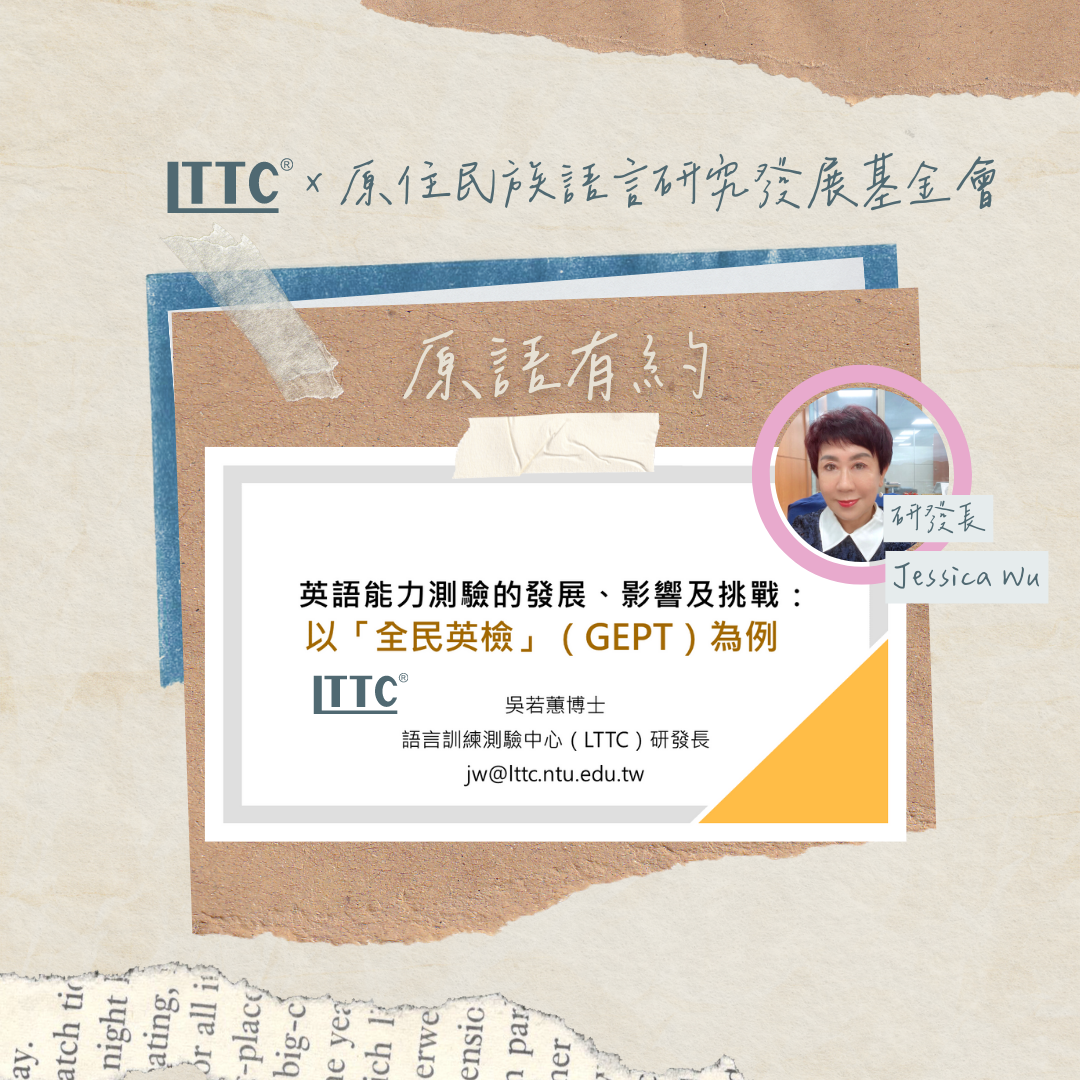
LTTC研發長吳若蕙博士受原語會邀請發表專題演講
2022.03.23
LTTC
LTTC 70週年慶
more
About Us
關於我們
more
About Us
關於我們
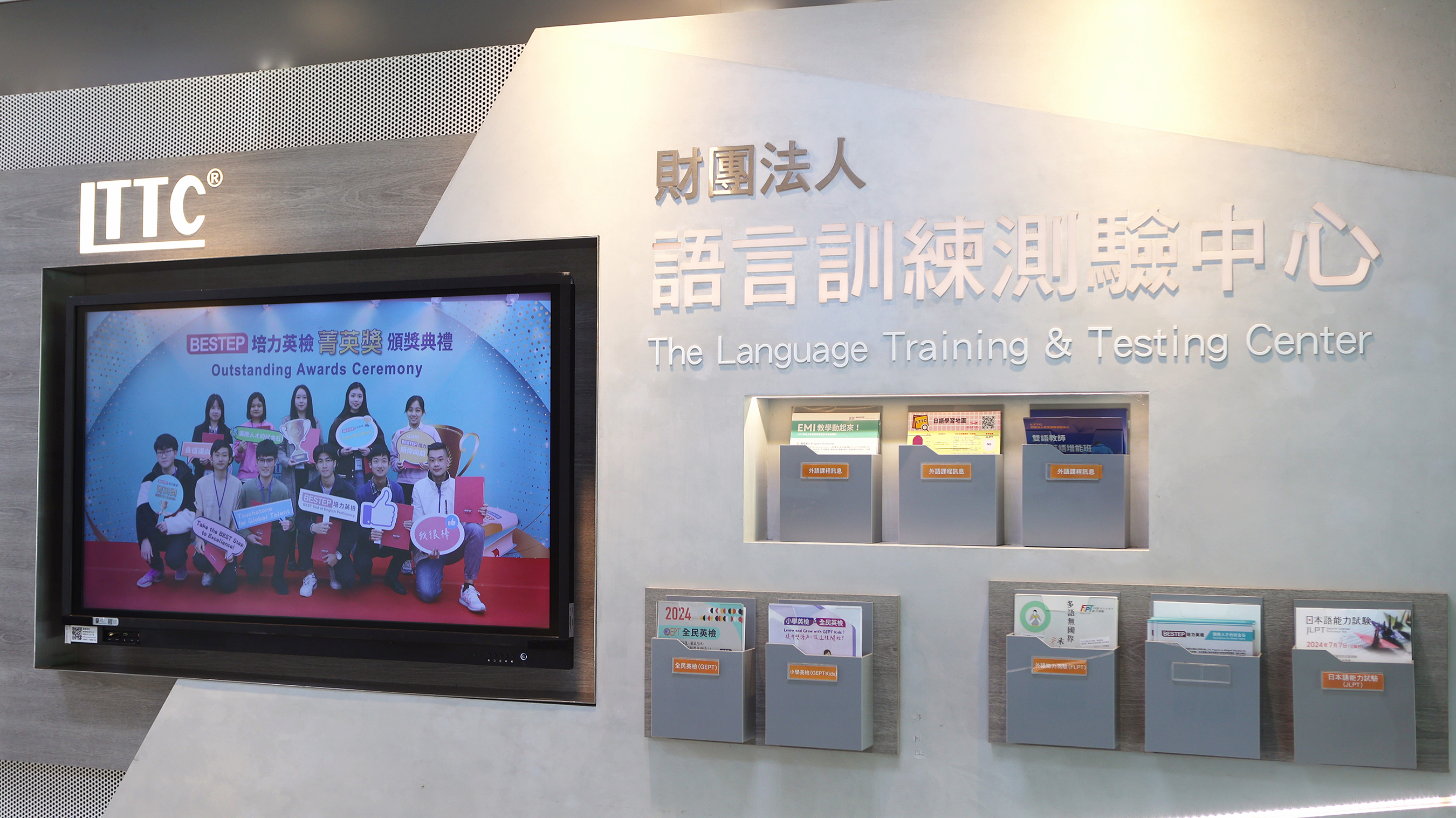
「語言訓練測驗中心」成立宗旨係為肆應中華民國經濟社會發展之特殊需要,研發辦理各項語言教學、訓練及測驗。本中心是臺灣唯一提供六種語言課程與測驗服務的機構,開創了「外語能力測驗FLPT」、「全民英檢GEPT」等測驗,另接受國外委託辦理測驗如TOEFL、GRE、JLPT、TestDaF、TOPIK等。本中心並隨著臺灣社會經濟的發展,開拓國際合作,深耕語言教育與研究,以滿足學習者的需求。
more